Unauthorized Practice of Law Definition
•
A person who provides legal services,
who is not a licensed lawyer, or who is not otherwise authorized by law to
provide legal services, may be engaging in the unauthorized practice of law
(UPL).
•
UPL is illegal because of the harm
people may suffer if they get bad legal advice.
Nonlawyers may be untrained and inexperienced in the law. They are not officers of the courts, are not
accountable for their actions, and are not prevented from using the legal
system for their own purposes to harm the system and those who unknowingly rely
on them.
•
In Nebraska UPL is a crime.
Practice of law Involves:
• Neb. Ct. R. § 3-100
•
“Giving advice. . . to another. . . as
to legal rights. . . relationship of trust or reliance . . .”
•
“Selection, drafting, completion, for
another. . . documents. . . Affect legal rights. . .”
•
“Representation of another. . . formal
administrative adjudicative proceeding. . . legal pleadings. . . record. . .
judicial review”
•
“Negotiation of legal rights. . .
behalf of another. . .”
•
“Holding oneself out to another as
being entitled to practice law. . .”
UPL is a Crime under Neb. Rev. Stat. § 7-101
•
“[n]o person shall practice as an
attorney or counselor at law. . . either by subscribing his own name, or the
name of any other person, or by drawing pleadings. . . unless . . . previously
admitted to the bar. . . “
•
“No such paper shall be received or
filed in any. . .proceeding unless . . . endorsement of some admitted attorney.
. .”
•
“It is hereby made the duty of the
judges. . . to enforce this prohibition.”
•
“Any person who shall violate. .
.guilty of a Class III misdemeanor.”
Not a violation of the UPL
• Multi-jurisdictional Practice Rule (Neb. Ct. r. 305.5)
•
(c)
A lawyer admitted in another United States jurisdiction, and not
disbarred or suspended from practice in any jurisdiction, may provide legal
services on a temporary basis. . .
• General Information
•
It is not UPL for a person to give
general information about the law or legal procedures to another person
• Representing One’s Self
•
A person may represent himself or
herself in court or any other legal proceeding
•
Exception: Entities cannot have member
represent them, must be licensed attorney
Categories of UPL Violators
•“Full
service” UPL Provider
•Out-of-State
Lawyer
•Paralegal
/ Legal Assistant
•Small
business
•Landlords
•Fake
Lawyer
•Other
Examples
Individual
claims he is a “Junior United States
Attorney” on stationery and maintains a LinkedIn and Facebook pages claiming to
be an attorney. He sends demand letters with this title in connection with
non-existent lawsuits.
Individual
created stationery bearing the name of a law school clinic and wrote letters on behalf of a tenant regarding
payments due for damage caused to an apartment by the tenant. Also wrote
threatening letters on behalf of a divorced dad regarding child custody matter.
Lawyer
complained of out-of-state attorney whose actions included providing samples of
zoning ordinances to block the
complaining attorney’s client from establishing his live adult
entertainment business in Nebraska.
Examples
Mother
attempted to represent her son in a criminal matter, appealing his conviction,
filing motions and other documents, including a claim of prosecutorial
misconduct by the County Attorney. She signed documents with “POA” after her
name claiming power of attorney entitled her to represent her son.
“Minister”
claiming to have paralegal training filed a pleading on behalf of an individual
(without her permission) in a guardianship matter and forged her signature.
Individual
attempted to “negotiate” a settlement in a family business matter, after
counseling his “client” to withdraw her “fair share” of the funds in the family
business’ bank account.
Examples
Payday
loan company employee drafted pleadings and motions and appeared in county
court on behalf of the company against
delinquent borrowers.
Paralegal
who is the owner of a business that provides tax
consulting and translation services provided immigration law advice to
persons seeking employment authorization and adjustment of immigration status.
Individual
claiming to be “Administrator” of Statewide Common Law Grand Jury” filed pleadings and motions on behalf of a
respondent who defaulted on a $200,000 loan.
Reporting
UPL
•
Most complaints are made by attorneys,
judges, and victims
•
File UPL Complaint Form (https://supremecourt.nebraska.gov/sites/default/files/Administration/uplappa.pdf)
•
Contact the Nebraska Commission on UPL
•
Shela Shanks, Counsel on Unauthorized
Practice of Law
Nebraska Supreme Court
Attorney Services Division
3806 Normal Blvd.
Lincoln, NE 68506
(402) 471-3091
Shela.shanks@Nebraska.gov
UPL
Commission Functions
•
In-depth Investigations and Conduct
evidentiary hearings
•
Make UPL Finding or Dismiss
Allegations
•
Offer Consent Agreement
•
Petition the Supreme Court
•
Partner with the Attorney General
•
Issue Advisory Opinions
Review
of Complaints by Commission
•
Reviews the Complaint
•
Investigates Complaint
•
Can Request Interviews with both
parties
•
Can request more information
Actions
Available to Commission
•
Determine person did engage in UPL
•
Have person agree in writing to stop
•
Can refer to appropriate law
enforcement agency
•
Can ask Supreme Court to order person
to stop conduct
•
Issue civil injunction against person
•
Can hold person in contempt
•
Can dismiss complaint if:
•
Not UPL
•
Isolated incident and won’t be
repeated
•
No future public harm
•
No longer engaged in UPL or in NE
•
Complainer not cooperating with
investigation
Recent
Cases and Public Action Taken
• Zapata v. McHugh, 296 Neb. 216 (2017).
•
District Court dismissed action
because Plaintiff engaged in UPL as Plaintiff was an assignee of LLC
•
Plaintiff was litigating claim that
benefited the LLC
•
LLC cannot represent oneself pro se
and therefore Plaintiff was acting as an attorney would
• Steinhausen v. Homeservices of Neb., 289 Neb. 927 (2015).
•
“ A legal proceeding in which a party
is represented by a person not admitted to practice law is nullity and subject
to dismissal.”
• First National Bank of Gordon, Nebraska v. Phillips,
Sheridan County District Court, CI 15-32
•
“Plaintiff’s motion to strike and
dismiss. . . is granted. . . all pleadings filed by . . . [person engaging in
UPL] are stricken from the record. . .”
Advisory
Opinion 2012-001
•
Real Estate Licensee/Broker or title
company can:
•
Prepare deeds
•
Prepare releases that do not affect
judgment liens
•
Prepare Deeds of Reconveyance
•
Prepare Title Affidavits
•
Prepare closing statements and related
documents
•
Nonlawyers should use standardized
forms that have blanks to be filled in
•
So long as no knowledge or training as
an attorney is needed
•
No advice can be given on meaning,
validity, or legal effect of documents
Advisory
Opinion 2010-001 re: Title Insurance Agents
CAN:
•
Provide or can tell people were to get
blank purchase agreement forms and other forms
•
Prepare Title Affidavits including:
•
Marketable Title Affidavit
•
Scrivener’s Affidavit
•
Name Discrepancy Affidavit
•
Use an attorney to perform functions
that if completed by unlicensed person would be UPL
•
Licensed abstracter can prepare report
of what has been filed
•
Register of Deeds can explain
requirements to file a document
CANNOT:
•
Assist or advise in preparation of
purchase agreements
•
Assist or advise on purchase agreement
addendums
•
Prepare Deed of Trust, Mortgages, or
Easements
•
Abstracter cannot provide opinion as
to priority or validity of title
•
Register of deeds cannot provide
information regarding legal effects of any document present or on statutory
requirements
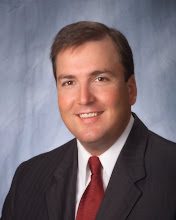
Timothy P. BrouilletteUnauthorized Practice of Law Commission Member

